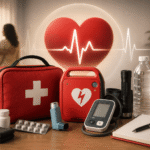


As India’s population ages, more families are finding themselves in the role of caregiver for elderly parents, grandparents, or relatives living with heart disease. Whether it’s high blood pressure, a previous heart attack, heart failure, arrhythmia, or post-surgical recovery, caring for an elderly heart patient often becomes a shared family responsibility.
While caregiving comes from a place of love, it can also bring uncertainty, stress, and emotional fatigue. Many family members worry about doing the right thing, recognizing warning signs, managing medications, and preparing for emergencies.
The good news is that effective heart care at home does not require medical expertise. It requires consistency, awareness, communication, and a practical support system.
Understanding the Challenges of Elderly Heart Care
Heart disease affects elderly individuals differently than younger patients.
Recovery may be slower. Symptoms may be less obvious. Multiple health conditions often exist simultaneously, making care more complex.
An elderly heart patient may also be dealing with:
- Diabetes
- Arthritis
- Kidney issues
- Reduced mobility
- Vision or hearing challenges
- Memory-related concerns
As a result, managing heart health often becomes part of managing overall well-being.
Medication Management Is the Foundation of Home Care
One of the most common reasons for worsening heart conditions is inconsistent medication use.
Elderly patients may:
- Forget doses
- Take duplicate doses
- Misunderstand prescription instructions
- Stop medicines when they feel better
- Avoid medication due to side effects
Family members can help by:
- Creating a medication schedule
- Using pill organizers
- Setting reminders on phones
- Maintaining a written list of prescriptions
- Attending doctor appointments when possible
Even minor medication errors can affect blood pressure, heart rhythm, or overall cardiac stability.
Learn the Difference Between Routine Symptoms and Warning Signs
Not every symptom requires panic, but some should never be ignored.
Symptoms That May Require Medical Review
- Increased fatigue
- Reduced appetite
- Mild swelling in the feet
- Changes in exercise tolerance
- Frequent dizziness
Symptoms That Require Immediate Attention
- Chest pain or pressure
- Severe breathlessness
- Fainting
- Sudden confusion
- Rapid or irregular heartbeat
- Sudden weakness on one side of the body
- Difficulty speaking
Families should know which symptoms warrant immediate medical attention and which can be discussed during routine follow-ups.
Encourage Movement Without Overexertion
Physical activity remains important for most elderly heart patients, but intensity matters.
Simple activities such as:
- Walking indoors
- Gentle stretching
- Light household movement
- Doctor-approved exercises
can help maintain circulation and overall health.
However, overexertion should be avoided.
Warning signs during activity include:
- Chest discomfort
- Excessive breathlessness
- Dizziness
- Unusual fatigue
Any exercise routine should follow medical guidance specific to the patient’s condition.
Nutrition Matters More Than Most Families Realize
Food plays a significant role in managing heart health.
Many elderly patients benefit from:
- Reduced salt intake
- More fruits and vegetables
- Adequate hydration
- Controlled sugar consumption
- Balanced portions
At the same time, overly restrictive diets can reduce appetite and nutrition.
The goal is sustainable, heart-conscious eating rather than drastic dietary changes.
Pay Attention to Emotional Well-Being
Heart disease affects more than the body.
Many elderly patients experience:
- Anxiety about their health
- Fear of becoming dependent
- Loneliness
- Reduced confidence
- Depression after major cardiac events
Family support becomes especially important during this stage.
Simple actions such as:
- Regular conversation
- Involving them in family activities
- Encouraging hobbies
- Maintaining social connections
can significantly improve quality of life.
Prepare for Emergencies Before They Happen
One of the most helpful things families can do is prepare in advance.
Keep the following easily accessible:
- Medical records
- Current prescriptions
- Doctor contact details
- Health insurance information
- Emergency contact numbers
When an emergency occurs, preparation reduces panic and allows faster decision-making.
Avoid Caregiver Burnout
Caregivers often focus entirely on the patient and ignore their own well-being.
Over time, this can lead to:
- Physical exhaustion
- Emotional stress
- Anxiety
- Frustration
- Burnout
Remember that caregiving is a long-term responsibility.
Sharing duties among family members, taking breaks, and seeking support when needed benefits both the caregiver and the patient.
A healthy caregiver is better equipped to provide effective care.
The Importance of Regular Follow-Ups
Many heart patients feel better after treatment and assume follow-up visits are no longer necessary.
However, routine medical reviews help:
- Monitor recovery
- Adjust medications
- Detect complications early
- Track blood pressure and cholesterol levels
Skipping follow-ups can allow problems to develop unnoticed.
Consistency remains one of the most important aspects of long-term heart care.
Final Thoughts
Caring for an elderly heart patient can feel intimidating at first, but it does not require perfection.
Small, consistent actions often make the biggest difference:
- Managing medications correctly
- Encouraging healthy habits
- Recognizing warning signs
- Supporting emotional well-being
- Staying prepared for emergencies
Heart care is rarely the responsibility of one person. It is a team effort involving patients, families, and healthcare professionals working together.
With the right awareness and support, elderly individuals living with heart disease can continue to lead comfortable, meaningful, and fulfilling lives.