
Living with a Pacemaker: What to Expect and How to Thrive

A pacemaker is a small electronic device implanted under the skin to regulate irregular heartbeats. Once you’ve had one implanted, your life can return to normal with a few adjustments. Here’s everything you need to know to live well with a pacemaker. What Does a Pacemaker Do?Pacemakers help correct arrhythmias — slow or irregular heartbeats […]
AI in Cardiology: Transforming How We Diagnose and Monitor Heart Health

Artificial Intelligence (AI) is rapidly redefining how we diagnose, treat, and manage heart disorders. From real-time ECG analysis to AI-assisted cardiac imaging, the integration of technology is improving outcomes at every level. Where AI Is Making a Difference? 1. ECG & Arrhythmia DetectionMachine learning models are now able to detect atrial fibrillation and other arrhythmias […]
Do Wearables Really Help Track Heart Health? Here’s the Truth

Wearable technology is no longer just about counting steps. In 2025, it’s about tracking your heartbeat, detecting irregular rhythms, and helping save lives — all from your wrist. What Are Wearable Heart Monitors?These are smart devices like smartwatches and fitness bands that track:– Heart rate (BPM)– Heart rate variability– ECG patterns– Oxygen saturation They use […]
Top Heart Rhythm Management Innovations of 2025

The field of cardiology continues to evolve rapidly, and 2025 has been a game-changing year for heart rhythm management. With rising cases of arrhythmia globally, especially in younger demographics, innovations in diagnostics and treatment are transforming outcomes. 1. AI-Driven ECG InterpretationArtificial Intelligence is now being used in real-time ECG analysis to identify patterns of arrhythmia […]
EP Study and RF Ablation: A Patient’s Guide to Arrhythmia Treatment

An Electrophysiology (EP) Study and Radiofrequency (RF) Ablation are two common procedures used to diagnose and treat heart rhythm disorders. If your doctor has recommended them, understanding what to expect can ease anxiety and help you prepare. What Is an EP Study?An EP study is a minimally invasive test where thin wires (catheters) are inserted […]
How CIEDs Are Transforming Heart Care and Saving Lives
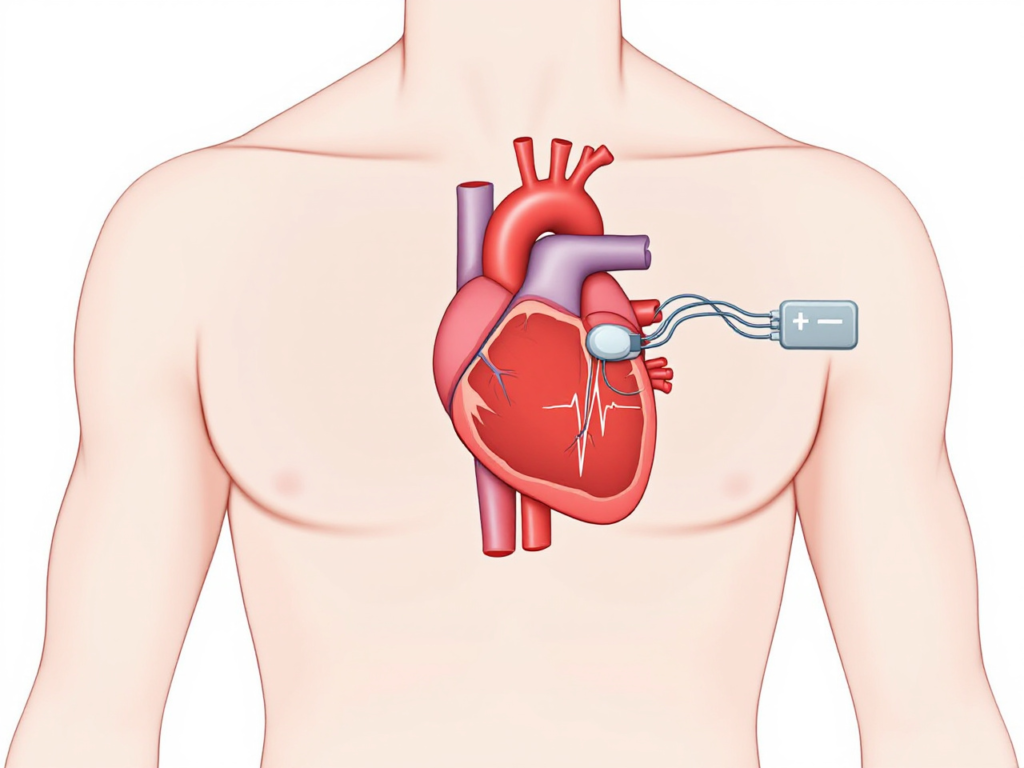
Cardiac Implantable Electronic Devices (CIEDs) are revolutionizing how we treat arrhythmias and prevent sudden cardiac death. These devices include pacemakers, implantable cardioverter defibrillators (ICDs), and cardiac resynchronization therapy (CRT) devices — each playing a unique role in improving heart function and saving lives. What Are CIEDs?CIEDs are small electronic devices placed inside the body, typically […]
Why Heart Health Checkups After 40yrs Are Essential for Long-Term Wellness

Turning 40 is a significant milestone — not just in your personal and professional journey, but also in how you care for your body, especially your heart. After 40, the risk of cardiovascular disease increases dramatically due to age-related changes, lifestyle stressors, and cumulative exposure to risk factors over the past 3 decades. Why Age […]
Heart Disease Myths Busted: What Experts Want You to Know

Heart disease continues to be one of the leading causes of death worldwide, yet several misconceptions still surround this critical health issue. These myths can prevent people from getting the care they need and may delay early diagnosis or life-saving treatments. At Heartbeat Foundation, we believe that the first step toward prevention is awareness. Let’s […]
Top 7 Warning Signs of Arrhythmia You Should Never Ignore

Arrhythmia refers to an irregular heartbeat — either too fast, too slow, or erratic. While some arrhythmias are harmless, others can increase the risk of stroke, heart failure, or sudden cardiac arrest. That’s why it’s critical to recognize the warning signs and seek timely medical intervention. Why Recognizing Arrhythmia Early MattersMany people dismiss mild or […]
Why Early ECG Screening is Crucial for Heart Health

An Electrocardiogram (ECG) is one of the most essential tools in cardiac diagnostics. It records the electrical activity of your heart and can detect abnormalities that may go unnoticed otherwise. In many cases, early ECG screening has proven to be the first lifesaving step in preventing severe cardiac events like strokes or heart attacks. What […]