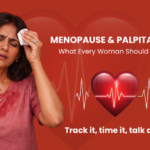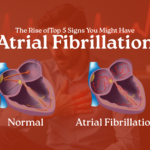

Heart rhythm problems are not “just a men’s issue.” Women with atrial fibrillation (AF) often have more symptoms and a higher stroke risk than men—yet are less likely to receive anticoagulation or ablation.
“Don’t blame hormones for everything—check your rhythm too.”
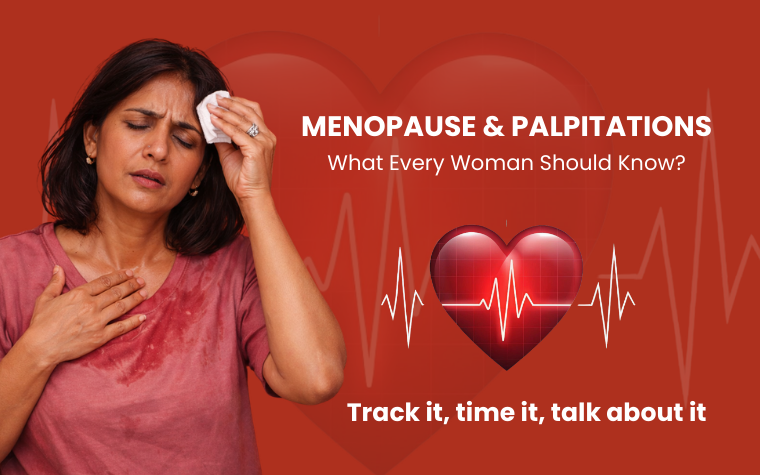
Perimenopause can be quite challenging. The ups and downs of estrogen and progesterone levels often lead to symptoms like hot flashes, night sweats, insomnia, mood swings, and episodes of anxiety. Sometimes, women experiencing palpitations, breathlessness, or dizziness related to arrhythmia are told it’s just stress or perimenopause, which can delay important tests like ECGs and Holter monitoring, as well as referrals to cardiologists.
It’s important to remember that early or sudden menopause is also associated with a higher long-term risk of AF and heart disease.
“If your symptoms feel new, intense, or ‘not you’—pause and get your heart checked.”
Perimenopausal Symptoms That Can Mimic or Mask Rhythm Problems
- Heart racing or pounding at rest
- Sudden flushes with chest tightness or breathlessness
- Night sweats with palpitations and insomnia
- “Anxiety attacks” with dizziness or near fainting
While these symptoms may be hormonal, it’s also possible they could be caused by conditions like SVT, AF, or other arrhythmias—particularly if they happen unexpectedly, last a while, or come with chest discomfort or blackouts. It’s always best to check with a healthcare professional to be safe.
“Track it, time it, talk about it.”
Keep a simple symptom diary by noting the timing, triggers, and heart rate (or smartwatch reading). Bring it to your clinician and ask confidently: “Could this be a heart rhythm problem? Do I need an ECG or monitor?”
Early diagnosis can open the door to helpful lifestyle changes, safe medications, and procedures like catheter ablation that can greatly improve your well-being and reduce the risks of stroke and heart failure.