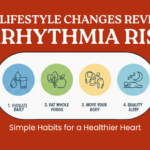


In today’s fast-paced world, stress has become a constant companion. But while most people think of stress as a mental burden, few realize how deeply it affects physical health, especially the heart. Many individuals experience irregular heartbeats, fluttering sensations, or skipped beats during times of emotional strain. But can stress truly trigger heart rhythm issues? And more importantly, can extreme stress increase the risk of severe events like cardiac arrest?
Let’s explore the hidden connection between the mind and the heart, how stress affects your heartbeat, and what you can do to protect your heart health.
What Happens to Your Heart When You Are Stressed?
When you are stressed, your body enters a state of “fight or flight” mode. Stress hormones such as adrenaline and cortisol increase your heart rate, blood pressure, and oxygen demand. This response is normal in moderation—but when stress becomes chronic, it can disrupt your heart’s natural rhythm.
This is why many people notice:
- Heart palpitations
- Pounding heartbeats
- Skipped or extra beats
- Chest tightness
- Shortness of breath
These symptoms often indicate a stress-induced arrhythmia, meaning the heart’s electrical system becomes temporarily unstable due to emotional or psychological triggers.
Can Stress Trigger Irregular Heartbeats? Yes—And Here’s How
1. Stress Activates the Sympathetic Nervous System
Chronic stress constantly stimulates the sympathetic nervous system, pushing your heart to beat faster and harder. This overstimulation can lead to irregular heart rhythms, especially in individuals with underlying heart conditions.
2. Stress and Anxiety Can Provoke Arrhythmias
Stress can worsen or trigger common arrhythmias, such as:
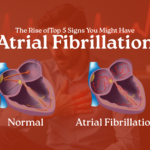
- Atrial fibrillation (AFib)
- Premature Atrial Contractions (PACs)
- Premature Ventricular Contractions (PVCs)
- Supraventricular Tachycardia (SVT)
People often mistake these episodes for a heart attack, which increases anxiety even further—creating a harmful cycle.
3. Stress Affects the Heart’s Electrical Pathways
Your heart depends on a precise, coordinated electrical system. Stress hormones can temporarily disturb these signals, causing:
- Fast heartbeats
- Slow heartbeats
- Irregular heart rhythms
This is why electrophysiologists often observe arrhythmia spikes during stressful life events.
Is Stress-Related Arrhythmia Dangerous?
Most stress-related irregular heartbeats are harmless and temporary. However, chronic stress can contribute to long-term heart damage, inflammation, and electrical instability. For individuals with pre-existing heart disease, diabetes, or hypertension, stress can make arrhythmias more frequent and severe.
Although stress does not directly cause cardiac arrest, it can worsen underlying conditions that increase the risk. Severe emotional stress may also trigger rare but serious conditions such as:
- Takotsubo Cardiomyopathy (stress-induced heart muscle weakness)
- Life-threatening arrhythmias in patients with structural heart disease
This is why managing stress is not only good for mental peace—it is essential for preventing serious cardiac events.
Stress vs. Cardiac Arrest: Understanding the Difference
Irregular Heartbeat / Arrhythmia
- Electrical problem
- Heart beats too fast, too slow, or irregularly
- Often triggered by stress
Heart Attack
- Circulation problem
- Blocked arteries reduce blood flow
- Stress can increase risk over time
Cardiac Arrest
- Electrical failure
- Heart suddenly stops beating
- Often caused by dangerous arrhythmias
While stress alone does NOT directly cause cardiac arrest, unmanaged stress can contribute to heart rhythm disorders that may lead to serious complications in vulnerable individuals.
Top Stress Triggers That Affect Your Heart Rhythm
- Excess workload or job pressure
- Family or relationship conflicts
- Sleep deprivation
- Anxiety disorders
- Sudden emotional shock
- Excess caffeine or alcohol
- Social media overuse
- Chronic illness or fear of illness
Signs Your Irregular Heartbeat May Be Stress-Related
- Palpitations occur during anxiety or emotional stress
- Symptoms improve after relaxation
- You feel dizzy or lightheaded during stressful moments
- You have no major cardiac disease but still feel heart flutters
If symptoms occur frequently or last more than a few minutes, medical evaluation is important.
When to See a Doctor Immediately
Seek urgent care if you experience:
- Fainting or near-fainting episodes
- Sudden, rapid heartbeat
- Chest pain
- Shortness of breath
- Irregular heartbeat lasting more than a few minutes
- Family history of sudden cardiac arrest
How to Reduce Stress and Protect Your Heart Rhythm
1. Practice Deep Breathing and Meditation
Mindfulness, yoga, and breathing exercises lower cortisol and stabilize heart rhythms.
2. Improve Sleep Quality
Aim for 7–8 hours of sleep, as poor sleep is a major trigger for arrhythmias.
3. Avoid Excess Caffeine and Alcohol
Both overstimulate the heart and worsen palpitations.
4. Adopt Heart-Healthy Nutrition
A diet rich in omega-3s, antioxidants, and magnesium supports cardiac electrical function.
5. Exercise Regularly
Walking, swimming, and cycling improve stress levels and strengthen the heart.
6. Limit Screen Time
Reducing digital overload can calm the nervous system and improve mental health.
7. Seek Medical Support When Needed
If stress or anxiety feels overwhelming, speaking to a professional can improve overall health—including your heartbeat.
Final Thoughts: A Calm Mind Leads to a Steady Heart
Stress may be invisible, but its effects on the heart are very real. From irregular heartbeats to worsening arrhythmias, the mind and heart share a strong, scientifically proven connection. While stress alone doesn’t directly cause cardiac arrest, long-term emotional strain can significantly increase your risk of developing heart rhythm disorders—especially if you already have an underlying heart condition.
By managing stress, adopting heart-healthy habits, and seeking professional guidance when necessary, you can greatly reduce your risk and keep your heart beating smoothly.