

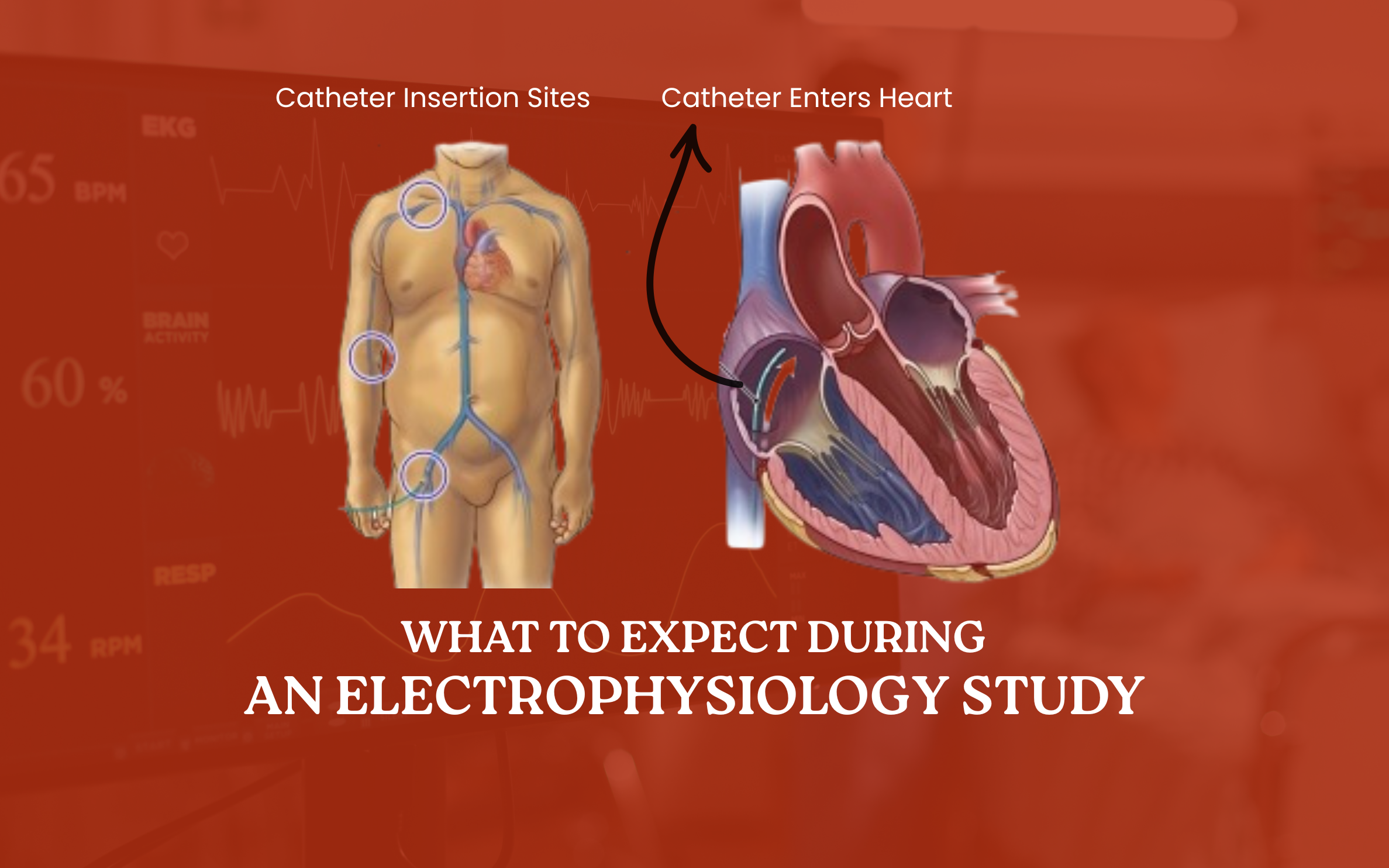
Heart rhythm problems can be confusing and stressful. If your doctor has advised an electrophysiology (EP) study, it is normal to feel anxious and curious at the same time. This detailed guide will help you understand what an EP study is, why it is done, and what you can expect before, during, and after the procedure at a cardiology hospital under the care of an experienced cardiology doctor.
Understanding an Electrophysiology Study
An electrophysiology study is a specialised test that checks the electrical activity of your heart. It helps find the exact cause of abnormal heartbeats, also known as arrhythmias. This test is usually suggested when symptoms like dizziness, fainting, palpitations, or unexplained fast or slow heartbeats are present.
In a modern heart care centre, this procedure is done using advanced technology to record how electrical signals move through your heart. A trained heart specialist studies these signals to identify areas causing rhythm problems and decide the best treatment plan.
Why Your Doctor May Recommend an EP Study
An EP study is not advised for everyone. It is usually recommended when other tests like ECG, Holter monitoring, or stress tests do not give clear answers. Your cardiology doctor may suggest this test to confirm a diagnosis, assess the risk of serious arrhythmias, or decide whether you need medicines, ablation, or a device like a pacemaker.
Many patients feel relieved after the test because it provides clear information about their heart condition and future treatment.
Preparing for the Procedure
Preparation is simple but important. Your heart specialist will explain the procedure and ask about your medical history, allergies, and medicines. Some medicines may need to be stopped a few days before the test. Blood tests and imaging may be done as part of routine preparation in the cardiology hospital.
You will usually be asked not to eat or drink for 6 to 8 hours before the procedure. Comfortable clothing and removing jewellery are advised. Emotional preparation is also important, so do not hesitate to ask questions and clear doubts.
What Happens During the EP Study
The EP study is done in a special lab inside the cardiology hospital. You will lie on a table, and local anaesthesia is given to numb the area, usually near the groin or neck. Thin, flexible wires called catheters are gently guided through blood vessels to your heart.
These catheters record electrical signals and may stimulate the heart to recreate abnormal rhythms in a controlled way. An experienced cardiology doctor monitors your heart activity closely throughout the test. You may feel mild discomfort or a fluttering sensation, but pain is usually minimal.
The procedure can last from one to four hours, depending on complexity. In some cases, treatment like ablation may be done at the same time to correct the problem.
Is the Procedure Safe?
An EP study is generally safe when done in a reputable cardiac care facility. Serious complications are rare. Minor risks may include bleeding, infection, or temporary changes in heart rhythm. Your treating specialist will take all necessary precautions and explain possible risks clearly before the procedure.
Modern equipment and experienced medical teams have made this test much safer and more accurate than in the past.
Recovery After the EP Study
After the procedure, you will be moved to a recovery area for observation. The catheter insertion site will be monitored, and you may be asked to lie flat for a few hours. Most patients can go home the same day or the next day, depending on their condition and medical advice from the cardiology doctor.
Mild soreness or bruising at the insertion site is common and usually settles in a few days. You will receive clear instructions on activity, medicines, and follow-up visits before leaving the cardiology hospital.
Life After an EP Study
Results of the EP study help your heart specialist plan the next steps. Some patients may only need medicines, while others may benefit from procedures like ablation or device implantation. Regular follow-ups are important to monitor heart health and adjust treatment if needed.
Maintaining a heart-healthy lifestyle with a balanced diet, regular exercise, stress control, and avoiding tobacco plays a big role in long-term recovery.
Frequently Asked Questions
Many patients worry about pain, hospital stay, and cost. The procedure is usually not painful, and the hospital stay is short. Costs vary depending on the type of hospital, complexity of the test, and additional treatments if done.
The care team can guide you about insurance coverage and payment options in advance.
Conclusion
An electrophysiology study is a valuable tool to understand and treat heart rhythm problems accurately. Knowing what to expect helps reduce fear and builds confidence. Choosing a trusted cardiology hospital and consulting an experienced cardiology doctor ensures safe care, correct diagnosis, and better outcomes. With the right guidance and follow-up, most patients return to normal life with improved heart health and peace of mind.
