

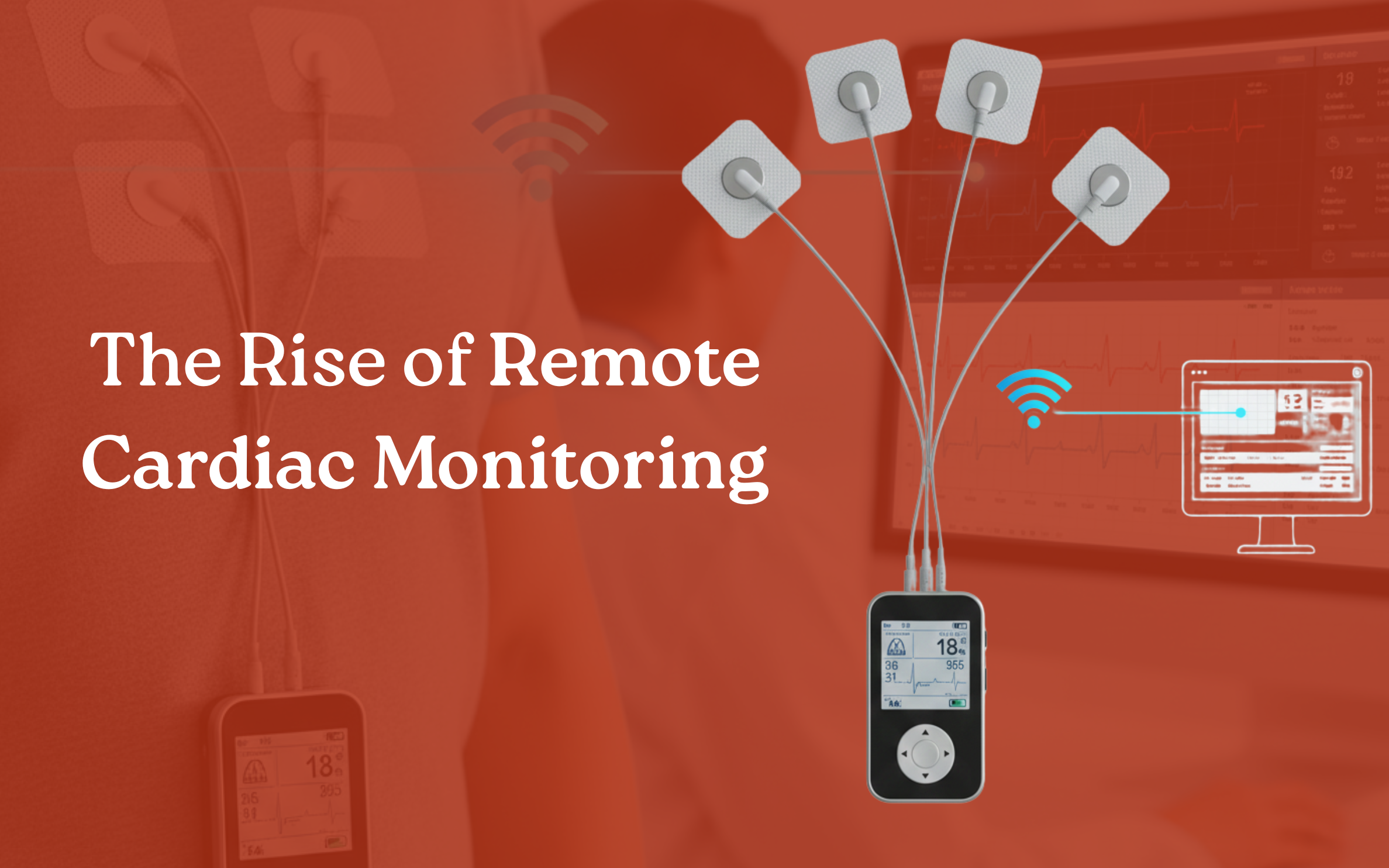
Remote cardiac monitoring isn’t just about warning you when something goes wrong. It’s evolving into a system that learns your heart rhythm over time, helping doctors step in before a small irregularity turns into a bigger issue.
How Accurate Are These Devices?
You’ve probably seen someone wearing a smartwatch that shows heart rate or ECG readings.
But the question many people have is:
“Can a watch really catch a heart rhythm disorder accurately?”
The honest answer: Yes, but with conditions.
- ECG-based devices (patches, chest stickers, loop monitors) are the most accurate
- Smartwatches using light sensors (PPG) are great for alerts but may not catch subtle irregularities
In simple words:
- Wearable watches signal possible concern
- Clinical devices confirm and diagnose
Together, they make detection stronger than ever before.
What Types of Rhythm Problems Can Wearables Catch?
Wearable devices are especially good at picking up:
- Atrial Fibrillation (AFib)
- Fast heart rates (tachycardia)
- Slow heart rates (bradycardia)
They can also alert you about:
- Skipped beats
- Sudden rhythm pauses
- Irregular pulse patterns
AFib remains the top focus because it can be silent but increase stroke risk significantly —
making early detection crucial.
Let’s Talk Limitations (Yes, They Exist)
While remote monitoring sounds futuristic (and it is), it’s not flawless.
Sometimes alerts are wrong.
Exercise, dehydration, stress, caffeine — all can mimic arrhythmia signals.
Sometimes alerts don’t come at all.
If the episode is too short or too subtle, some devices may not catch it.
And importantly:
Not every wearable is a medical-grade device. Some are lifestyle gadgets, not diagnostic tools.
So if your device alerts you, it means “check with a doctor,” not “panic.”
Technology gives the hint. Doctors give the answer.
Moving Beyond Detection: Monitoring That Predicts
Here’s where it gets exciting.
Newer systems don’t just catch irregular beats, they analyze patterns over months to predict future risk.
For example:
- Nighttime rhythm changes
- Increased pauses between beats
- Gradual trend shift in heart rate variability
These patterns help doctors see:
- Who may develop AFib soon
- Who needs preventive treatment
- Who needs closer follow-up
This changes heart care from:
“We’ll treat it when it happens” → “Let’s stop it before it starts.”
Why It Matters for Doctor vs Patient Communication
Remote monitoring also changes how care is delivered.
- Instead of routine checkups every 6 months, doctors reach out when the device flags something
- Patients feel monitored without sitting in waiting rooms
- Emergency visits reduce, anxiety reduces, clarity improves
Care becomes:
- Timely
- Personalized
- Less hospital-dependent
What Should a Patient Keep in Mind?
Here’s the practical takeaway:
- Wearables are eyes on your heart, not the final judge
- Alerts mean “get checked,” not “you’re in danger”
- Not all alarms are accurate, but they’re valuable early signs
If you get repeated alerts, fluttering, dizziness, or unexplained fast beats —
that’s when the device’s value truly shows.
Final Word
Remote cardiac monitoring is growing from simple tracking to intelligent heart observation. It listens quietly when you sleep, walk, work, or worry, catching what a clinic ECG might miss. But even with all this intelligence, one thing stays true:
Data needs interpretation Technology needs human judgment
“Wearables can see the rhythm. Doctors understand its meaning.”
Together, they create a future where heart care is not just reactive, but preventive, predictive, and continuously supported.
